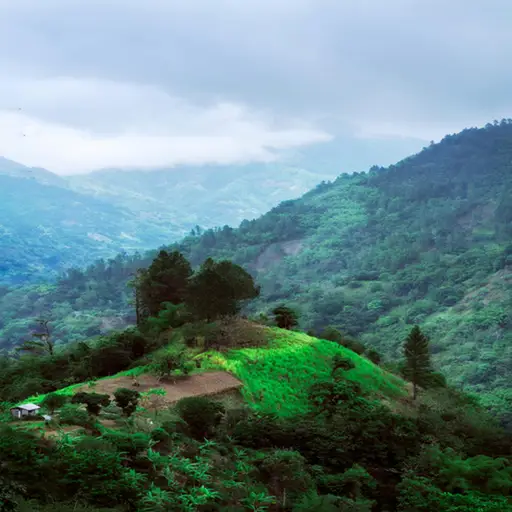
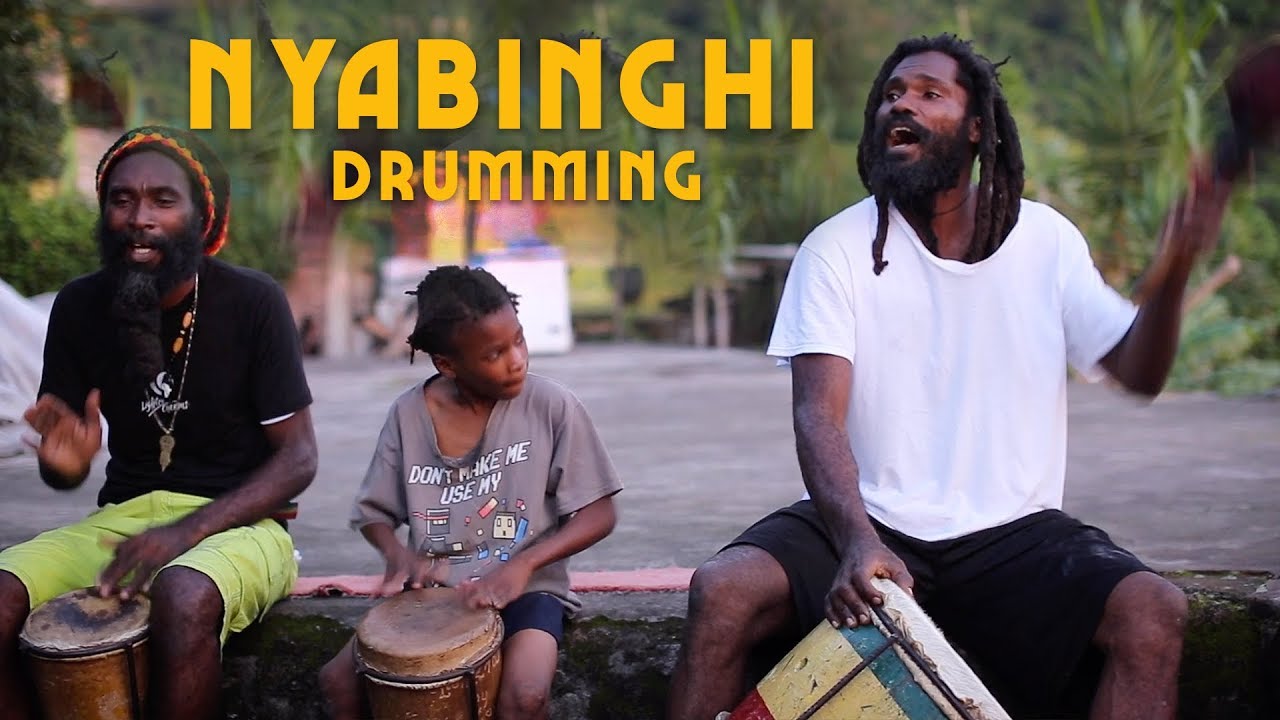
Rastafari is not simply a religion—it is a way of life, a philosophy, and a rhythm of resistance that pulses through Jamaica’s hills, towns, and villages. Born in the 1930s out of colonial struggle and spiritual yearning, Rastafari carries the voice of the oppressed and the call of Zion, blending African pride with divine consciousness. For visitors, to encounter Rastafari is to step into a living culture where history, scripture, and soul converge—and where every drumbeat, herb, and chant tells a story of liberation.
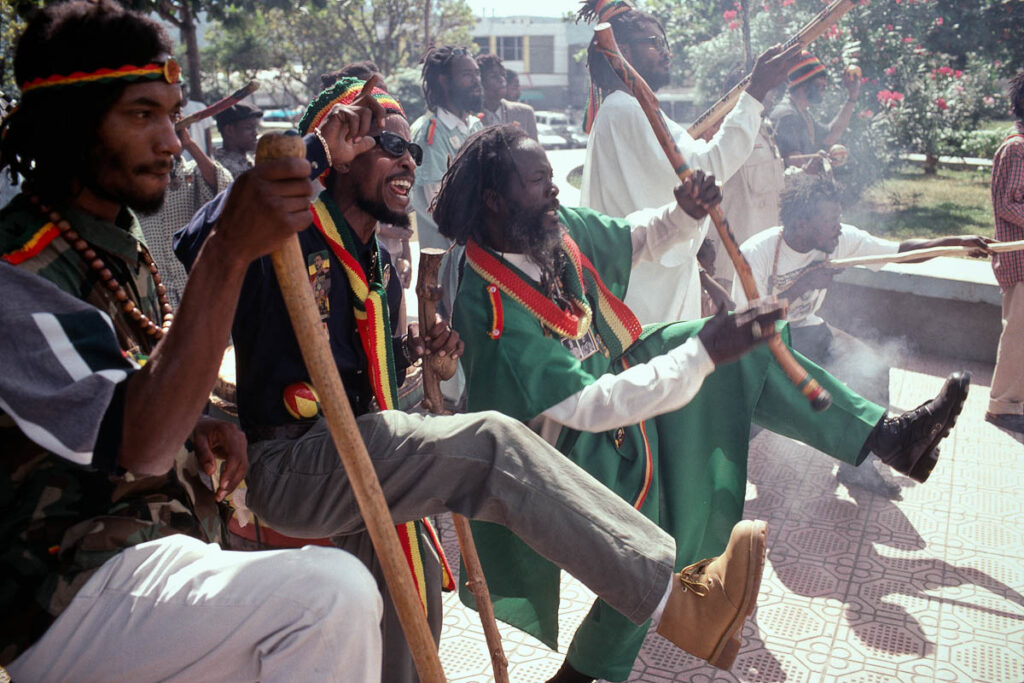
The movement’s roots reach back to Marcus Garvey, Jamaica’s Pan-African prophet, whose words—“Look to Africa, when a Black king shall be crowned, for the day of deliverance is at hand”—echoed across the island. When Ras Tafari Makonnen was crowned Emperor Haile Selassie I of Ethiopia in 1930, many Jamaicans saw prophecy fulfilled. Selassie became revered as Jah incarnate, the living God who would guide the oppressed toward redemption. From this moment, Rastafari emerged as both spiritual awakening and political rebellion, rejecting Babylon—the system of Western oppression—and embracing Zion, the promise of Africa.
Yet Rastafari is not confined to scripture or prophecy. It is lived daily through livity, a principle of harmony with Jah, nature, and community. Visitors to Jamaica can witness this in Ital living, a natural lifestyle that favors purity and balance. In Rastafari villages, Ital cooking workshops invite travelers to taste vibrant plant-based dishes prepared without salt or chemicals, offering not just nourishment but a philosophy of clean living. Herbal medicine sessions reveal the healing wisdom of the land, while drumming circles open the spirit to rhythm and resonance.
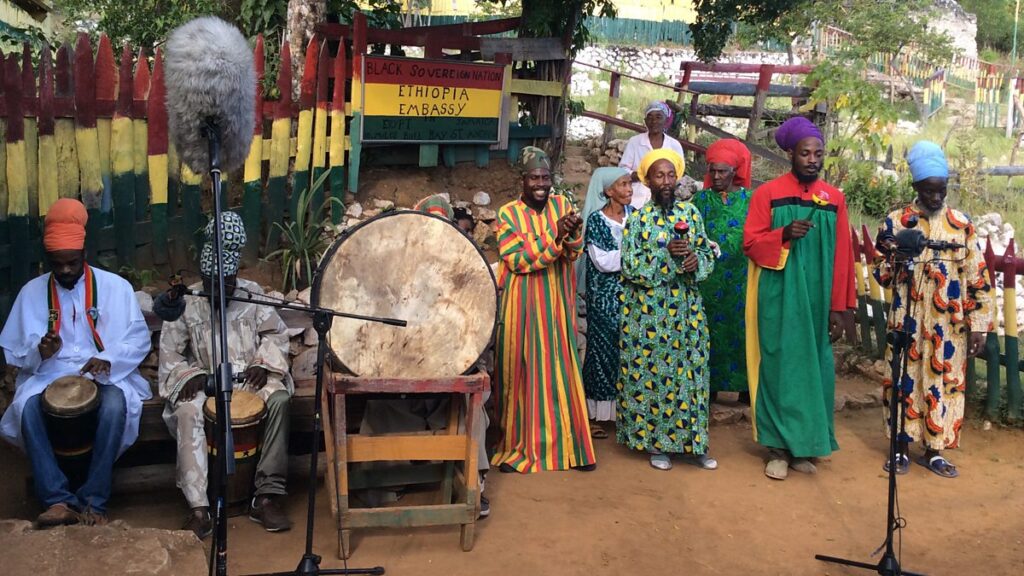
Symbols of Rastafari are woven into the Jamaican landscape. Dreadlocks, inspired by the Nazarite vow, speak of strength and natural living. The red, gold, and green colors of Ethiopia’s flag shine in murals, clothing, and banners, reminding all of Africa’s struggle, wealth, and fertility. And reggae—the heartbeat of Rastafari—continues to carry messages of love and liberation. A visit to Trench Town, birthplace of Bob Marley, immerses travelers in the soundscape that gave Rastafari its global voice. Songs like One Love and Redemption Song are not just music; they are spiritual anthems that invite listeners into the movement’s soul.
Groundations, communal gatherings of chanting, reasoning, and drumming, offer another window into Rastafari life. Here, visitors may witness the sacramental use of ganja, revered as a holy herb that opens the mind and connects the soul to Jah. Far from stereotype, these rituals embody reverence, community, and spiritual clarity.
Today, Rastafari remains a vibrant force across Jamaica. From Pinnacle—the first Rastafari commune—to cultural tours in Bluefields and workshops in Montego Bay, travelers can engage with the movement in authentic, respectful ways. Visiting a Rastafari village is not a performance but an invitation: to share Ital meals, to learn drumming patterns, to hear stories of resistance and redemption. Each experience is a chance to step beyond tourism and into cultural exchange, where Rastafari’s philosophy becomes a living guide.
For those seeking more than sun and sand, Rastafari offers a journey into Jamaica’s spiritual heartbeat. It is a reminder that travel can be transformative—that to walk with Rastafari is to encounter a culture of resilience, reverence, and love. In the hills and villages of Jamaica, the call of Zion still echoes, inviting every visitor to listen, learn, and feel the rhythm of Jah.